- Contact
- Services & Expertise
- About
- Blog
- Services
- Black Magic Revenge & Enemy Destruction Specialist
- Love Back by Black Magic
- Black Power Spell
- Lost Love Spells – USA & UK Specialist
- International Vashikaran & Love Control Services
- Black Magic to Destroy Enemy – International Specialist
- Black Magic Specialist
- Voodoo Spells
- Black Magic Services
- Foreign Black Magic Services
- Illuminati
- Astrology & Horoscope
Understanding Aghori Tantra: Myths vs. Reality
Introduction to Aghori Tantra
Aghori Tantra, often shrouded in mystery and misconception, is a spiritual practice rooted in Hindu tradition. The Aghori sect, known for its radical practices, seeks to transcend societal norms to achieve spiritual enlightenment. Despite its controversial reputation, the essence of Aghori Tantra lies in embracing the divine within all aspects of existence.
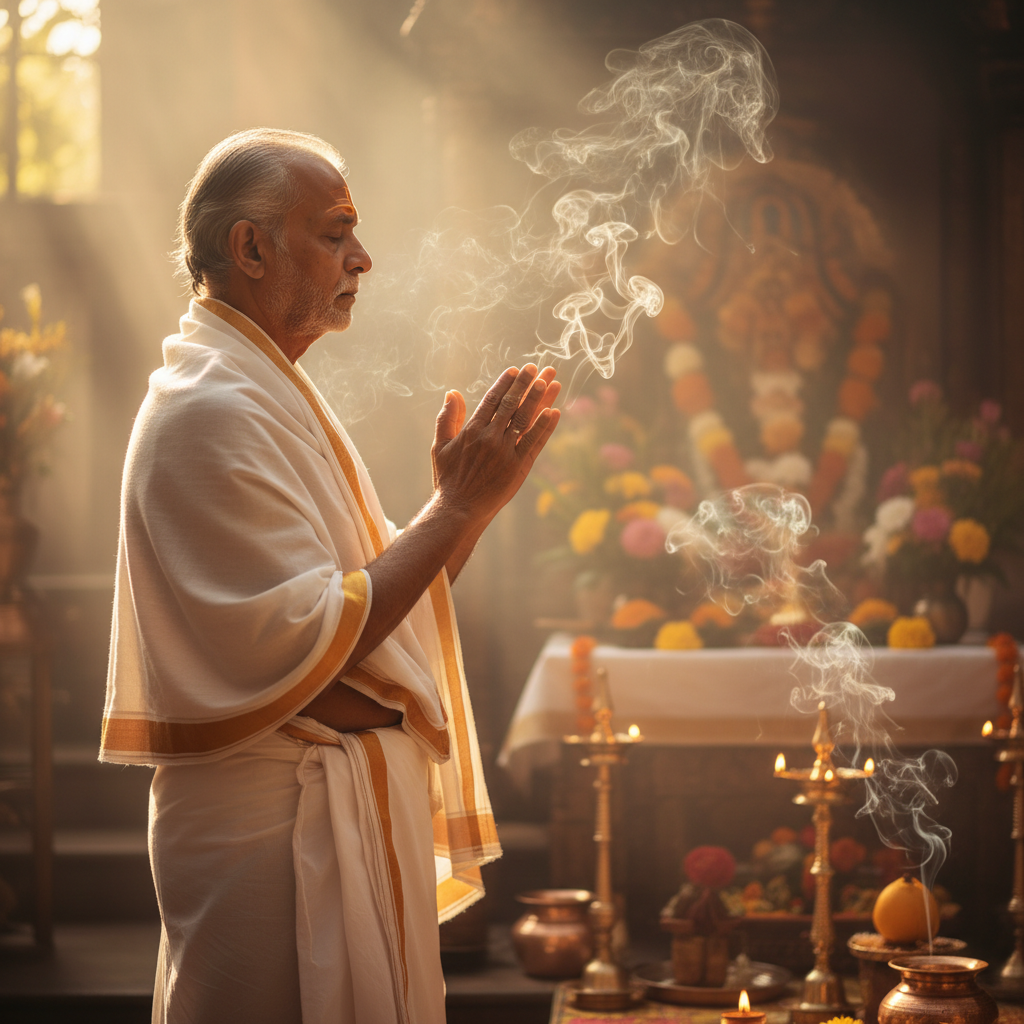
Origins and Philosophy
The Aghori sect traces its origins to the Kapalika ascetics and is deeply influenced by Shaivism, the worship of Lord Shiva. Aghoris believe in the non-dualistic philosophy, which perceives the material world and spiritual realm as one. This belief system encourages practitioners to look beyond conventional morality and see divinity in everything, even in what society deems as taboo.
Common Myths About Aghori Practices
Several myths surround Aghori practices, often painting them as sinister or malevolent. One common misconception is that Aghoris indulge in black magic. In reality, Aghori rituals are meant to break away from attachments and ego, focusing on spiritual liberation rather than dark arts.
The Role of Cremation Grounds
Aghoris are frequently associated with cremation grounds, which serve as a powerful symbol of life and death. Contrary to popular belief, their presence in such places is not to perform dark rituals but to meditate on mortality and the transient nature of life. For Aghoris, embracing death is a pathway to overcoming fear and achieving enlightenment.

Reality of Aghori Lifestyle
Aghoris lead a life of simplicity and renunciation. They often adopt a nomadic lifestyle, rejecting material possessions to focus on their spiritual journey. The Aghori diet, which may include unconventional items, is part of their philosophy to see purity in all forms of sustenance.
Misunderstood Practices
While some Aghori rituals may seem extreme, they are deeply symbolic and meant to challenge perceptions of purity and impurity. For instance, the use of human skulls is symbolic of transcending the fear of death and embracing the cycle of life. Such practices are often misunderstood by those viewing them through a lens of cultural bias.

Spiritual Goals of Aghori Tantra
The ultimate aim of Aghori Tantra is achieving self-realization and unity with the divine. Aghoris seek to dissolve the ego and overcome dualities, embracing both light and darkness. Through meditation, rituals, and mantras, they strive to attain a state of non-dual awareness.
Resonance with Broader Spiritual Traditions
Despite its unique methods, Aghori Tantra shares common ground with other spiritual traditions. Concepts such as non-attachment, transcending fear, and seeking inner truth resonate with many spiritual paths. By exploring these practices, one can gain insight into the profound dedication required for spiritual growth.
Understanding Aghori Tantra requires an open mind and a willingness to look beyond surface-level interpretations. By dispelling myths and appreciating the deeper philosophy, we can better understand the transformative journey of the Aghori path.