- Contact
- Services & Expertise
- About
- Blog
- Services
- Black Magic Revenge & Enemy Destruction Specialist
- Love Back by Black Magic
- Black Power Spell
- Lost Love Spells – USA & UK Specialist
- International Vashikaran & Love Control Services
- Black Magic to Destroy Enemy – International Specialist
- Black Magic Specialist
- Voodoo Spells
- Black Magic Services
- Foreign Black Magic Services
- Illuminati
- Astrology & Horoscope
Powerful Mantras to Control Someone: Ethical Considerations
Understanding Mantras and Their Influence
Mantras have been used for centuries across various cultures as powerful tools for meditation, focus, and spiritual growth. They are repetitive phrases or sounds intended to bring about a desired state of mind or outcome. However, the idea of using mantras to control someone else raises significant ethical concerns.

It is essential to differentiate between using mantras for personal empowerment versus attempting to influence another’s behavior. While the former can lead to personal growth and self-improvement, the latter can cross into manipulative territory.
The Ethics of Influence
When considering the use of mantras to influence someone, it's crucial to reflect on the ethical implications. Manipulating another person’s thoughts or actions undermines their autonomy and can lead to a breach of trust. Ethical influence respects the individual’s free will and focuses on mutual benefit rather than control.
In any relationship, whether personal or professional, communication and consent are key. Instead of attempting to control others, fostering open dialogue and understanding can lead to more harmonious and genuine connections.
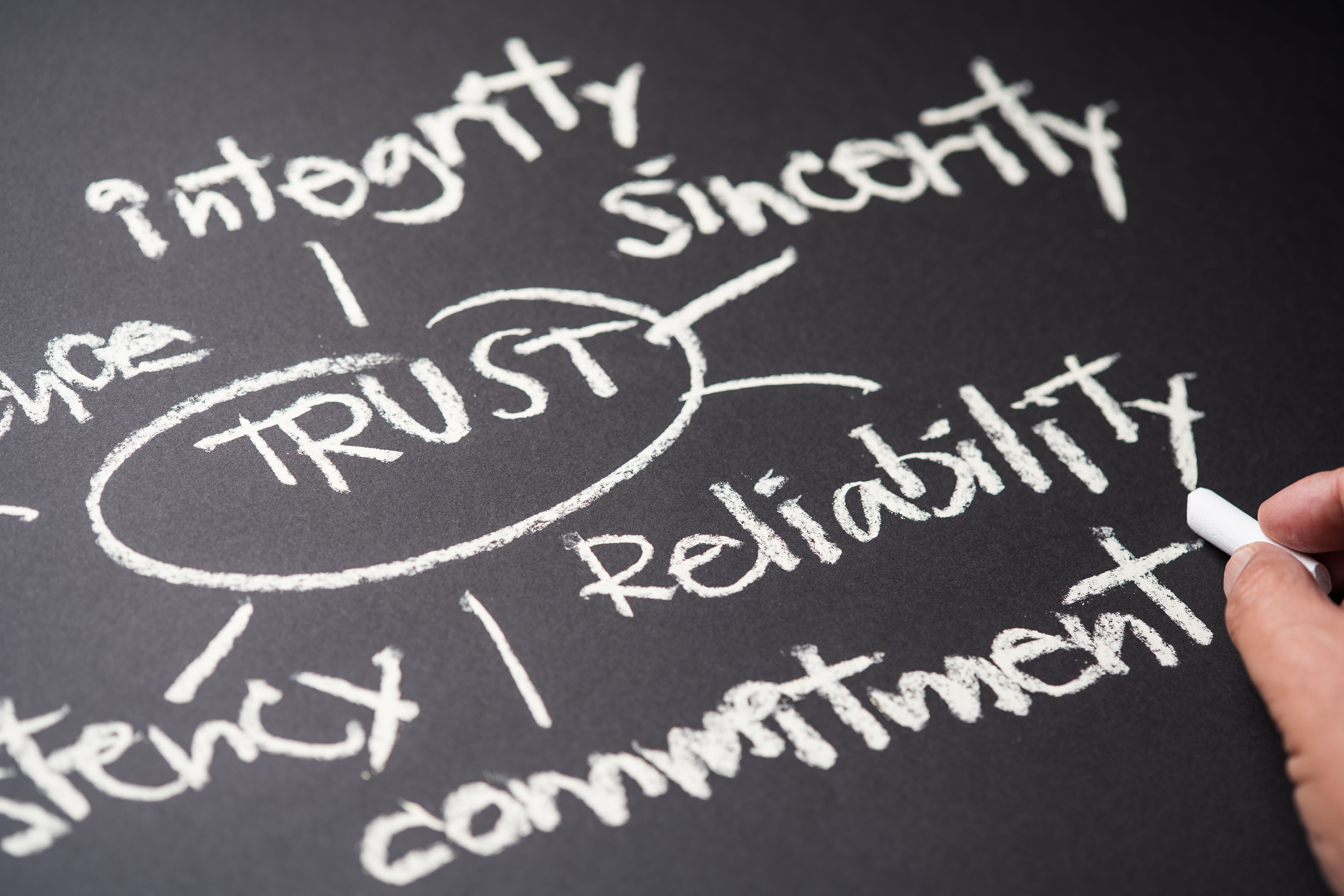
Recognizing Manipulation
It's important to recognize when influence turns into manipulation. Manipulation often involves deceit and coercion, which can damage relationships and lead to negative outcomes. Here are some signs of manipulation:
- Using deceitful tactics to achieve goals
- Exerting pressure or guilt to change behavior
- Ignoring the other person's feelings and needs
Using Mantras for Positive Intentions
Mantras can be a powerful tool when used with positive intentions. For personal growth, they can enhance focus, reduce stress, and promote a positive mindset. Here are some ways to use mantras ethically:
- Self-Reflection: Use mantras to gain insights into your thoughts and behaviors.
- Personal Empowerment: Focus on mantras that encourage self-improvement and resilience.
- Positive Affirmations: Reinforce positive beliefs and attitudes towards yourself and others.

By using mantras responsibly, you can foster a sense of empowerment without infringing on the autonomy of others.
Conclusion: Respecting Boundaries
The power of mantras lies in their ability to transform the self rather than control others. When used ethically, they can be a profound tool for personal development. Respect for others' autonomy should always be at the forefront of any spiritual or self-improvement practice.
Ultimately, the choice to influence should be guided by respect, empathy, and a commitment to ethical behavior. By focusing on personal growth and understanding, we can create more meaningful and authentic connections with those around us.