- Contact
- Services & Expertise
- About
- Blog
- Services
- Black Magic Revenge & Enemy Destruction Specialist
- Love Back by Black Magic
- Black Power Spell
- Lost Love Spells – USA & UK Specialist
- International Vashikaran & Love Control Services
- Black Magic to Destroy Enemy – International Specialist
- Black Magic Specialist
- Voodoo Spells
- Black Magic Services
- Foreign Black Magic Services
- Illuminati
- Astrology & Horoscope
Exploring the Role of an Aghori Tantrik in Modern Times
Understanding the Aghori Tantrik
The Aghori Tantriks are often shrouded in mystery and intrigue. Known for their unconventional practices and lifestyle, these ascetics follow a unique spiritual path. Rooted in Hindu traditions, Aghoris are devotees of Lord Shiva and are often associated with rituals that challenge societal norms. In modern times, their role continues to evolve, reflecting both traditional beliefs and contemporary challenges.
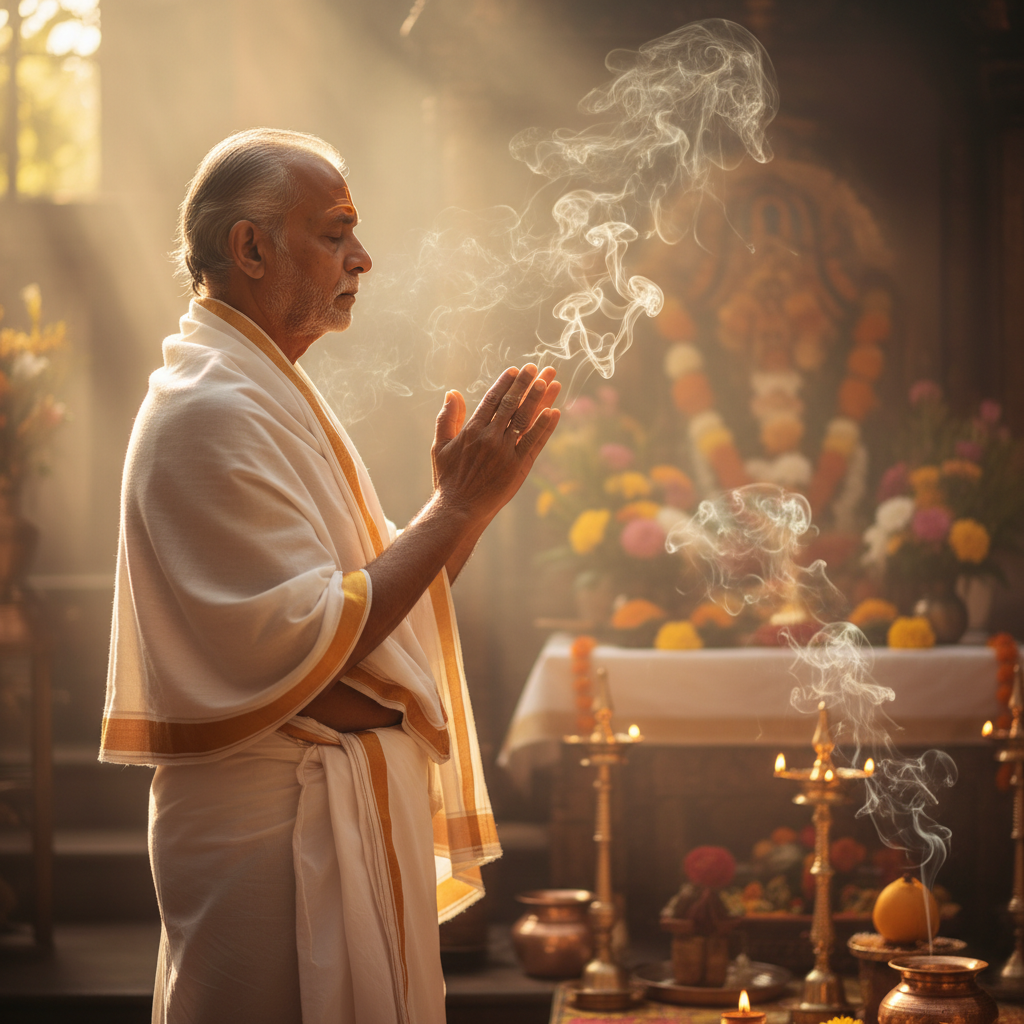
Historical Context and Beliefs
The origins of Aghori practices can be traced back to the ancient Shaivite orders. Aghoris believe in the pursuit of enlightenment by transcending the physical world and embracing the universe's dualities. Their practices often involve meditations in cremation grounds and rituals that symbolize the acceptance of life and death as part of a continuum.
Traditionally, Aghoris aim to overcome human taboos, seeing beyond what is considered pure or impure. This belief system challenges conventional religious practices, emphasizing a path of liberation through embracing all aspects of existence.
The Role of an Aghori Tantrik Today
In the contemporary world, Aghori Tantriks remain influential, especially in rural parts of India. They often serve as spiritual guides and healers, providing insights into life’s profound mysteries. Their presence is both revered and feared, as they are seen as possessing unique powers and knowledge.

Misconceptions and Media Portrayal
Media portrayals often sensationalize Aghori practices, focusing on the more extreme aspects without understanding their spiritual significance. This has led to widespread misconceptions, painting Aghoris as mere caricatures rather than genuine spiritual seekers.
Despite these portrayals, many Aghori Tantriks continue to contribute positively to society. Their teachings emphasize compassion and the importance of overcoming fear and ignorance, values that resonate with many in today’s fast-paced world.
Challenges Facing Aghori Tantriks
Modernization and urbanization pose significant challenges to the Aghori way of life. As cities expand and traditional areas shrink, maintaining their practices becomes increasingly difficult. Additionally, legal and societal pressures often restrict their rituals, leading to a decline in their traditional lifestyle.

The Relevance of Aghori Practices
While some may view their practices as outdated, the core principles of the Aghori philosophy remain relevant. In a world often dominated by materialism, their teachings about acceptance, detachment, and the pursuit of true knowledge offer a valuable perspective.
Many people, both in India and globally, are beginning to explore these teachings, seeking an alternative to the stress and chaos of modern life. The Aghori path, with its focus on inner transformation, continues to attract those looking for deeper meaning.
Conclusion
The role of an Aghori Tantrik in modern times is complex and multifaceted. They are not just relics of the past but are active participants in the spiritual landscape. By understanding their practices and beliefs, we can appreciate the depth and richness they bring to the cultural and spiritual fabric of society.